

Latest articles
- What a gas chromatography test can tell you about your food
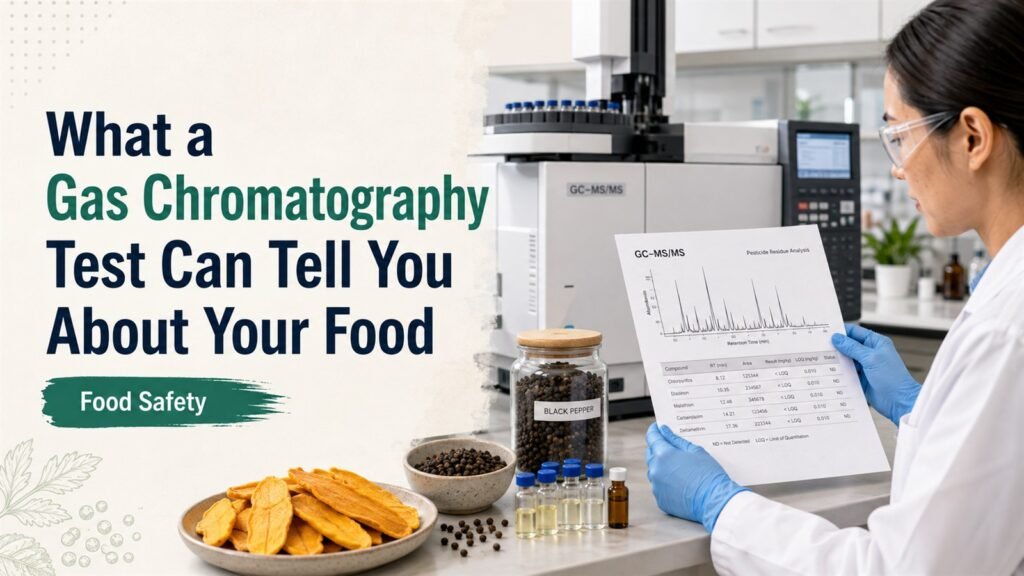 Your buyer asks for a pesticide residue report and the laboratory sends back a page of numbers. Here is what a GC test measures, what it cannot see, and how to read the report before you pay for one.
 - What Your Product Really Costs to Make
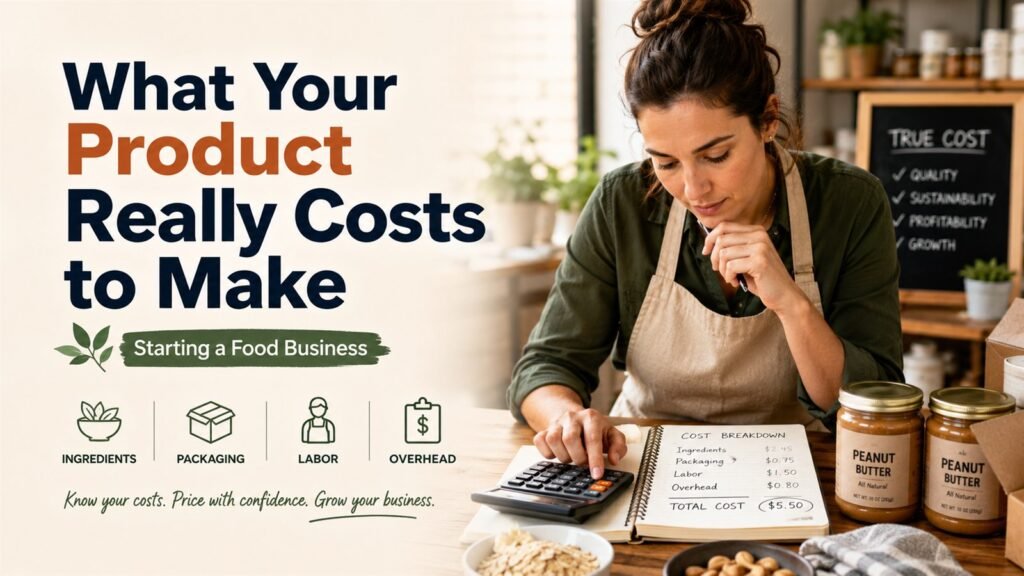 Cost a whole batch, then divide by the bottles you can actually sell. How to work out what a food product really costs to make, and how to turn that into a price.
 - Why Does My Food Product Change From Batch to Batch?
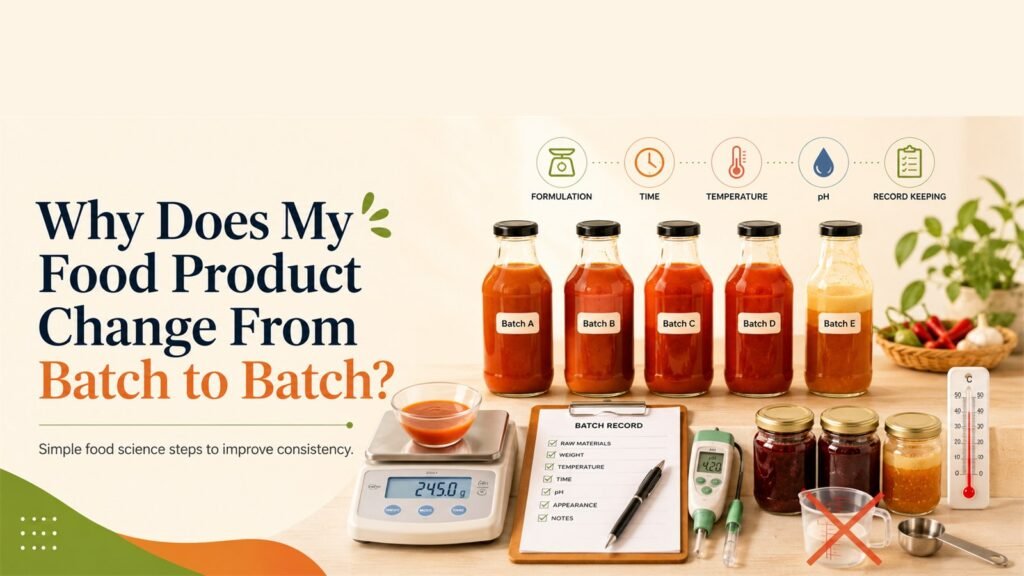 Batch variation is rarely random — it comes from ingredients, measurements, and process. A practical guide for food SMEs: standardize the formulation, weigh instead of guessing, control raw materials and processing, and keep batch records.
 - Understanding Food Additives and E-Numbers
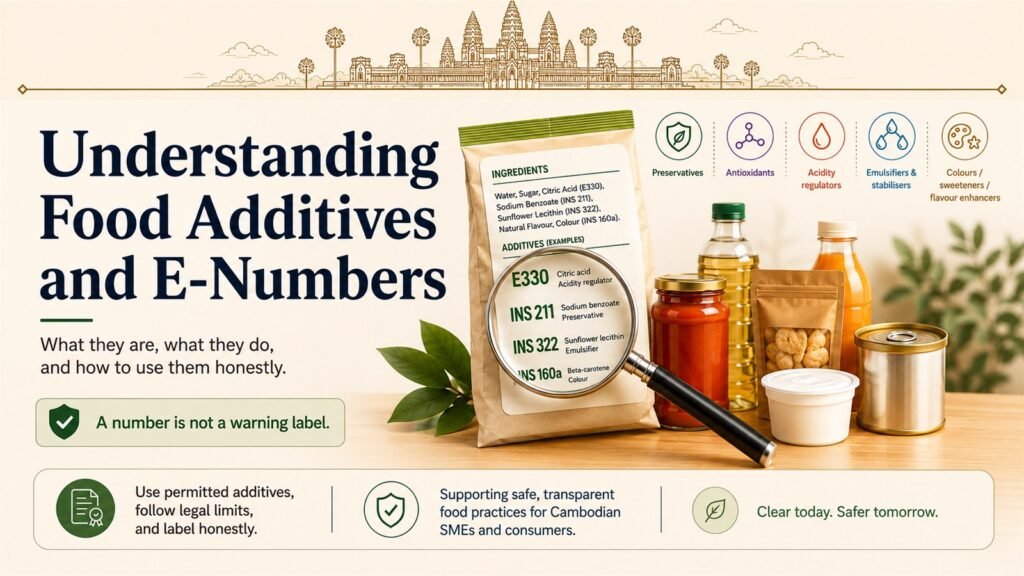 E330, INS 211 — additive codes look scary but are just an international naming system. What the main additive families do, why a number isn’t proof of approval, and how to use and label additives honestly.
 - Net Weight and Fill Control: How Food SMEs Can Reduce Underfilling and Overfilling
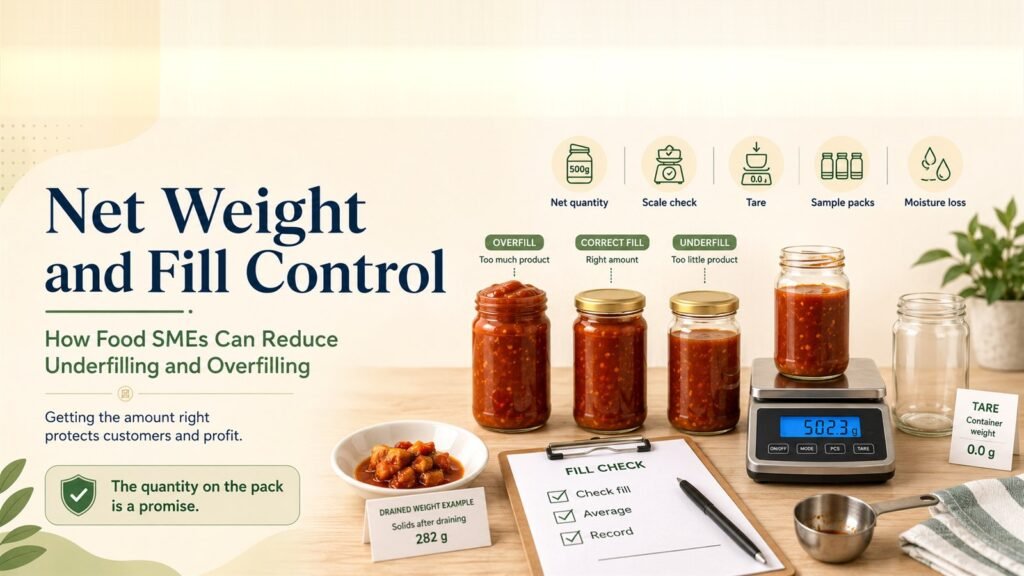 The quantity on your pack is a promise and a legal declaration. How food SMEs can keep the average at or above the label, control variation, and reduce both underfilling and overfilling.
 - Basic HACCP for Small Food Producers
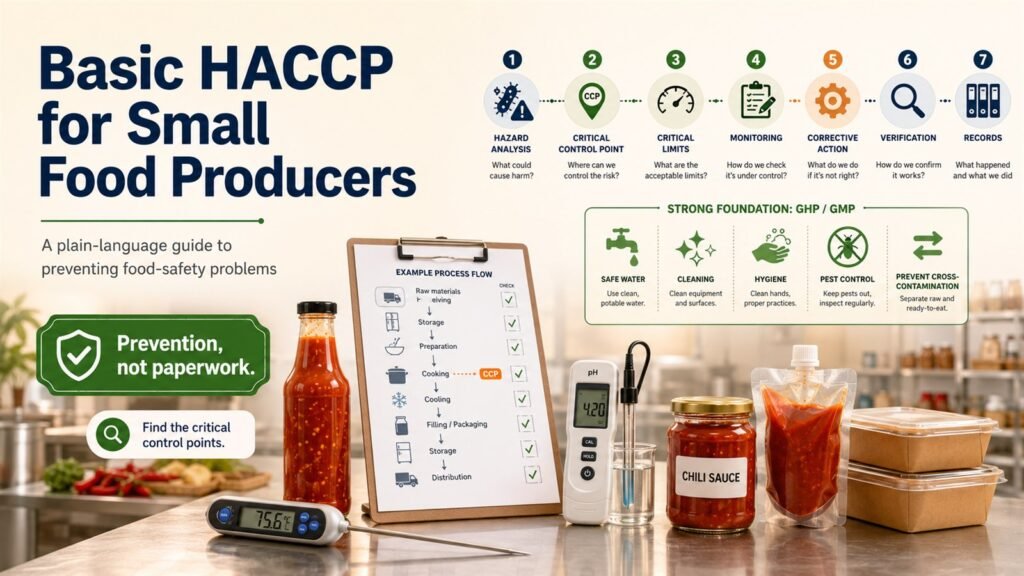 HACCP isn’t just for big factories — the thinking scales down to a one-person kitchen. The seven principles in plain language, how to find your critical control points, and a small chili-sauce example.
 - Sourcing Safe Ingredients: Checking Your SuppliersYour product is only as safe as its ingredients. How to choose suppliers on more than price, check every delivery, keep traceability records, and know when to reject a delivery.
- How to Run a Simple Shelf-Life TestThe date on your product should be earned, not guessed. A practical real-time shelf-life test you can start without a lab — what to check, how to set a safe date, and when you need microbiological testing.
- The Cold Chain: Keeping Food Safe at the Right TemperatureTemperature is the strongest control for perishable food. Understand the 5–60°C danger zone, why time in it is cumulative, how the cold chain breaks during transport, and the cooling habits that cause trouble.
📣
Never Miss Food Science Tips
Join our Telegram channel and get new articles and practical tips — straight to your phone.
Join us on Telegram →💙
Dear everyone! 😊
I’m excited to share my website, tastextech.com 🎉
The website is still developing, and I would truly appreciate your support. Please take a moment to explore it and share your honest comments, suggestions, or feedback in the Google form. Your ideas will help me improve the website and make it more useful, informative, and enjoyable for everyone.
Thank you so much for your support. I look forward to hearing your thoughts! 💙
Share your feedback →