
Browse all our food-science articles — practical, science-backed guidance for Cambodia’s students and food entrepreneurs.
- What a gas chromatography test can tell you about your food
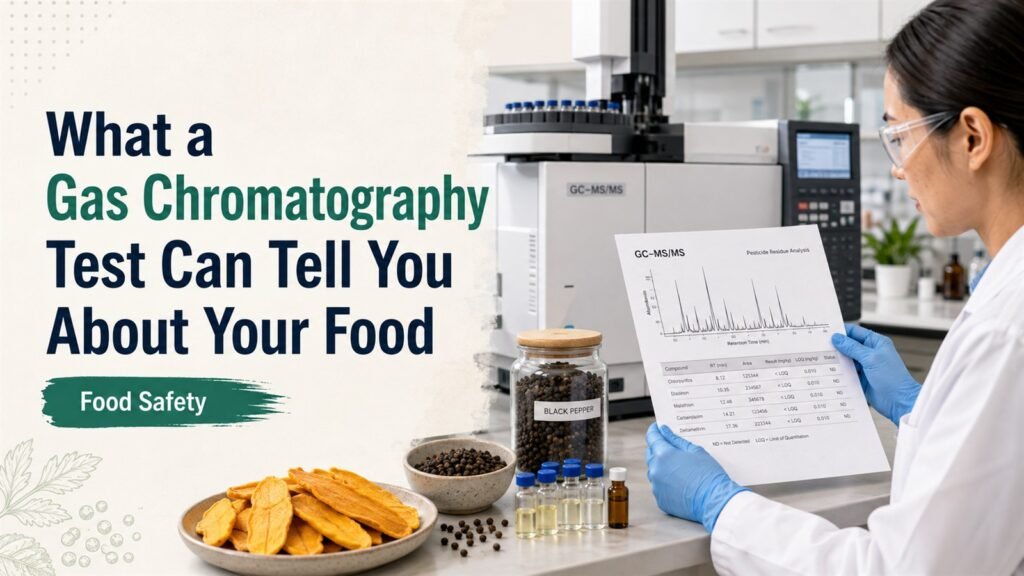 Your buyer asks for a pesticide residue report and the laboratory sends back a page of numbers. Here is what a GC test measures, what it cannot see, and how to read the report before you pay for one.
 - What Your Product Really Costs to Make
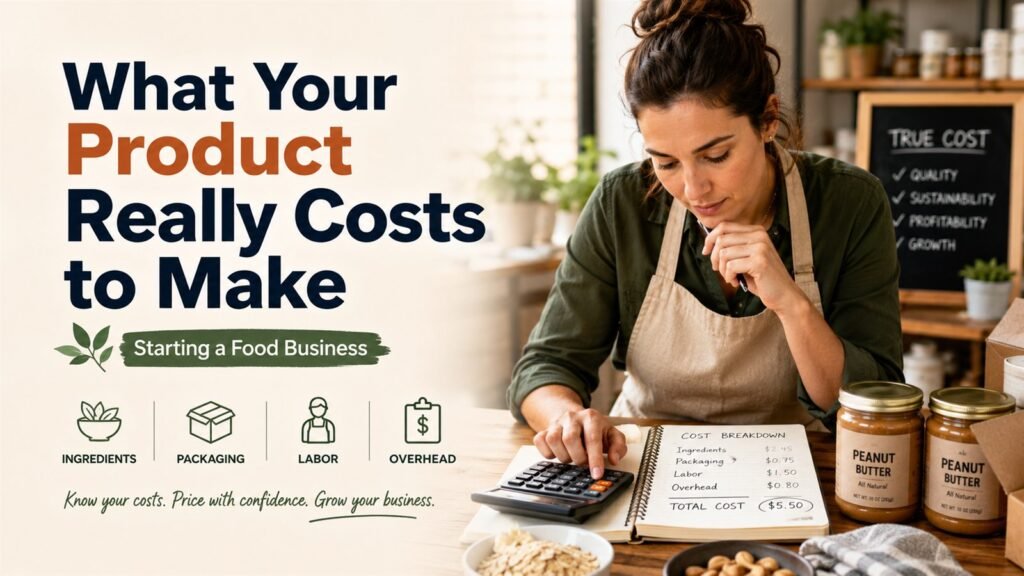 Cost a whole batch, then divide by the bottles you can actually sell. How to work out what a food product really costs to make, and how to turn that into a price.
 - Why Does My Food Product Change From Batch to Batch?
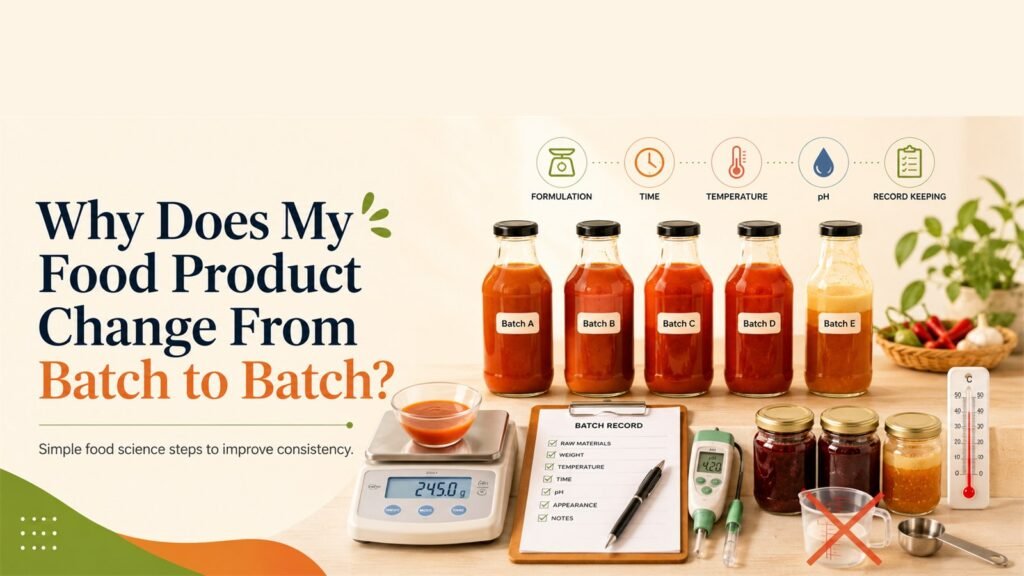 Batch variation is rarely random — it comes from ingredients, measurements, and process. A practical guide for food SMEs: standardize the formulation, weigh instead of guessing, control raw materials and processing, and keep batch records.
 - Understanding Food Additives and E-Numbers
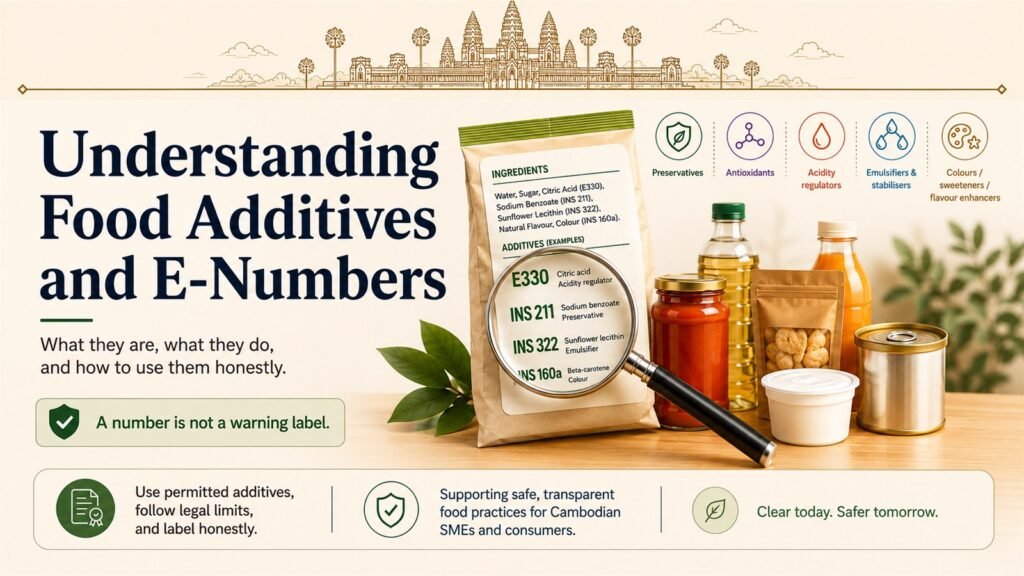 E330, INS 211 — additive codes look scary but are just an international naming system. What the main additive families do, why a number isn’t proof of approval, and how to use and label additives honestly.
 - Net Weight and Fill Control: How Food SMEs Can Reduce Underfilling and Overfilling
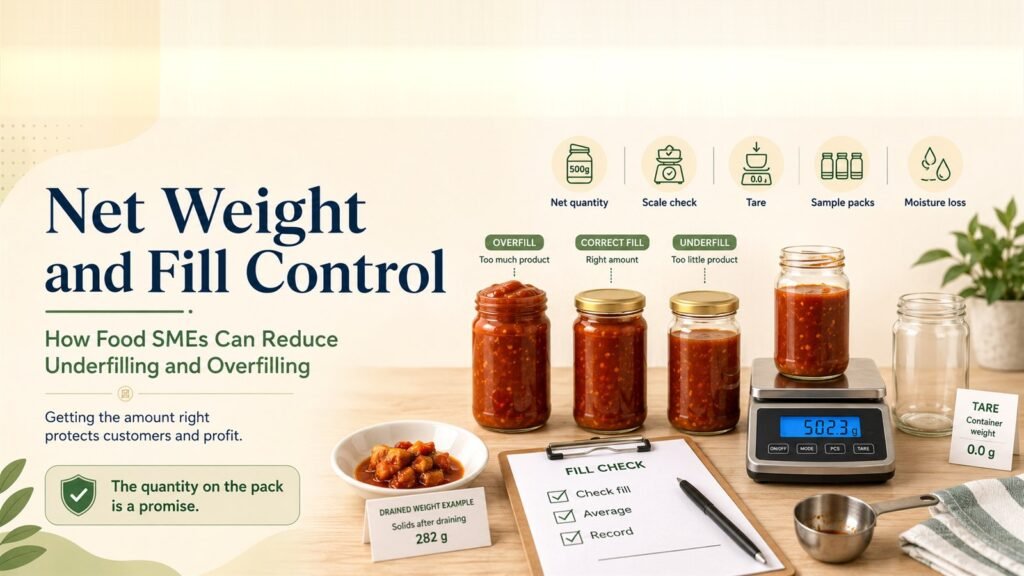 The quantity on your pack is a promise and a legal declaration. How food SMEs can keep the average at or above the label, control variation, and reduce both underfilling and overfilling.
 - Basic HACCP for Small Food Producers
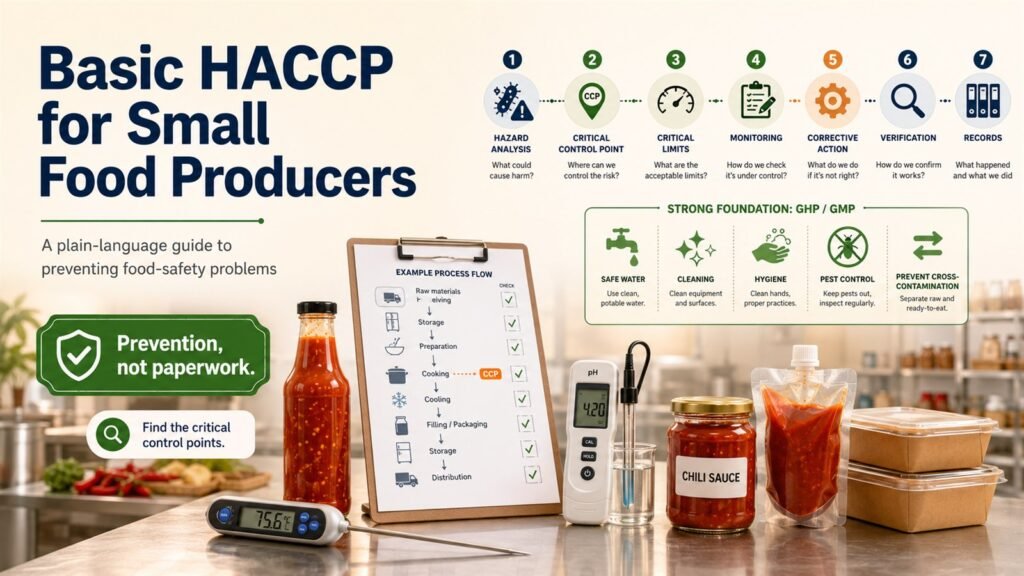 HACCP isn’t just for big factories — the thinking scales down to a one-person kitchen. The seven principles in plain language, how to find your critical control points, and a small chili-sauce example.
 - Sourcing Safe Ingredients: Checking Your SuppliersYour product is only as safe as its ingredients. How to choose suppliers on more than price, check every delivery, keep traceability records, and know when to reject a delivery.
- How to Run a Simple Shelf-Life TestThe date on your product should be earned, not guessed. A practical real-time shelf-life test you can start without a lab — what to check, how to set a safe date, and when you need microbiological testing.
- The Cold Chain: Keeping Food Safe at the Right TemperatureTemperature is the strongest control for perishable food. Understand the 5–60°C danger zone, why time in it is cumulative, how the cold chain breaks during transport, and the cooling habits that cause trouble.
- Natural vs Synthetic Preservatives: What Really Keeps Food Fresh“No preservatives” is often a myth — salt, sugar, and vinegar are preservatives too. How preservatives work, an honest natural-vs-synthetic comparison, and why permitted levels matter more than image.
- Cross-Contamination: How Safe Food Becomes UnsafeMost food poisoning in small kitchens comes from cross-contamination, not spoiled ingredients. The three kinds to manage, why you must separate raw from ready-to-eat, and how cleaning differs from sanitizing.
- Drying and Dehydration: Preserving Food by Removing WaterDrying is one of the oldest ways to preserve food — from dried fish to dried mango. How removing water stops microbes, the three main drying methods, and the mistakes that make dried food unsafe.
- Choosing the Right Packaging for Your Food ProductPackaging is part of the product — it sets shelf life, survives shipping, sells on the shelf, and must meet the law. How to match material and barrier to your food, plus Cambodia labelling basics.
- Pasteurization Explained: Killing Germs Without Ruining FlavorPasteurizing is not sterilizing. Understand time-and-temperature pairs (LTLT vs HTST), what heat does and doesn’t kill, and how to avoid re-contaminating a pasteurized product.
- pH and Acidity: The Hidden Rule That Keeps Food SafepH is invisible but decisive for food safety. Learn the pH 4.6 line, why low-acid foods are riskiest, and how acidity preserves food — with examples from Cambodian cooking.
- How to read a food label like a scientistA food label is two things at once: real information and marketing. Here’s how to tell them apart in seconds — and make better products, because you’ll know what your own label really says.
- Fermentation, explained without the fearFermentation sounds like something going wrong, but it’s one of the oldest and safest food technologies humans have — and Cambodia is built on it: prahok, fish sauce, and pickled vegetables are all fermented.
- What is water activity, really?Water activity is the most useful idea in food preservation that almost no one outside a lab talks about — it explains why honey never spoils, why dried fish keeps for months, and why “it doesn’t feel wet” tells you nothing about whether a product is safe.
- From home kitchen to a product you can sellEveryone tells you your food is good enough to sell. Turning that praise into a safe, consistent, and legal product is a different job — here are the practical first steps, from a food scientist.
- Why your food product spoils — and four ways to make it last longerEvery food spoils eventually. The useful question isn’t whether your product will spoil, but how fast — and that speed is something you can design, using four simple levers.